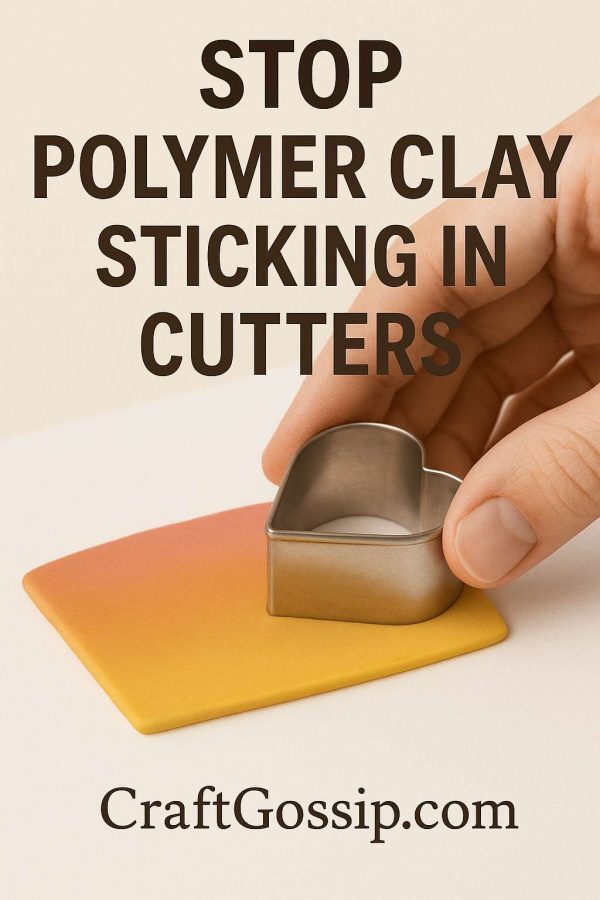
If you’ve ever tried cutting polymer clay only to have it cling stubbornly to your cutter, you’re not alone. Sticky clay is one of the most common frustrations for beginners and even seasoned makers. The good news? With a few tricks and the right preparation, you can get clean, crisp cuts every single time—no more stretching, tearing, or stuck clay.
This guide covers everything you need to know: why polymer clay sticks, the best prevention methods, and simple fixes that work whether you’re making earrings, charms, or detailed canes.
Why Does Polymer Clay Stick in Cutters?
Polymer clay is designed to be soft and workable, but depending on the brand, temperature, and even your own warm hands, it can easily turn sticky. Here are the top culprits:
- Warm clay: Clay that’s been over-conditioned or warmed by your hands is softer and tackier.
- Dusty or oily tools: Residue on your cutters (from oils, cornstarch, or old clay) can cause sticking.
- Shallow or dull cutters: Inexpensive or homemade cutters may not have sharp, clean edges.
- Wrong clay brand or type: Some brands are naturally softer and gum up in cutters faster.
- Environmental factors: Humid or hot rooms can make clay tacky.
Best Ways to Prevent Polymer Clay Sticking in Cutters
1. Chill Your Clay Before Cutting
Pop your rolled sheet of clay in the fridge for 5–10 minutes. Firmer clay releases cleanly and won’t drag inside the cutter.
2. Use Cornstarch or Baby Powder
Dust the cutting edge lightly with cornstarch (a soft brush works great). This creates a barrier between the clay and the metal or plastic. Tap off excess to avoid leaving white streaks.
3. Dip Cutters in Water
A quick dip in water or a spritz from a spray bottle can help prevent sticking. Perfect for intricate cutters with lots of detail.
4. Try a Non-Stick Surface
Work on a ceramic tile, glass sheet, or non-stick mat instead of paper. A smooth base lets you push clay out cleanly without lifting the whole slab.
5. Use Plastic Wrap for Soft Edges
For rounded, domed edges, place a sheet of plastic wrap over your clay slab, then press the cutter through. This stops clay from clinging and gives a polished, smooth finish.
6. Rotate the Cutter
Instead of pressing straight down and lifting, press down while gently twisting the cutter side to side. This helps release the clay cleanly.
7. Keep Your Cutters Clean
Wipe your cutters between uses, especially after cutting metallic or glitter clays. Even a thin film of residue can grab clay and make the next cut messy.
Quick Fixes When Clay Gets Stuck
Sometimes, even with the best prep, clay still clings. Here’s how to rescue your piece without distortion:
- Use a toothpick or needle tool: Gently poke the clay out from the inside edge.
- Compressed air or a baby wipe: A quick burst or swipe clears small pieces stuck in tiny cutters.
- Clay shapers or silicone brushes: Push stuck clay free without damaging the cutter’s edge.
- Cornstarch rescue: If clay is really stuck, dust cornstarch inside the cutter before trying again.
Bonus Tips from Experienced Makers
- Invest in quality cutters: Stainless steel with a sharp, thin edge makes all the difference.
- Try releasing agents: A mist of water, isopropyl alcohol, or even a dab of Sculpey Clay Softener can act as a release.
- Condition clay properly—not overworked: Knead until smooth, but stop before it gets sticky.
- Work cooler: If your hands run warm, keep a chilled tile nearby to rest clay between cuts.
Polymer clay sticking in cutters is a rite of passage, but it doesn’t have to ruin your projects. With the right prep—whether it’s a little cornstarch, a quick chill in the fridge, or simply better cutters—you’ll get those clean, crisp shapes every time.
Experiment with different methods until you find your go-to trick. Remember, every brand of clay behaves a little differently, so what works for one maker might not work for another. The key is patience, preparation, and knowing you’ve got a whole toolbox of tricks to rely on.