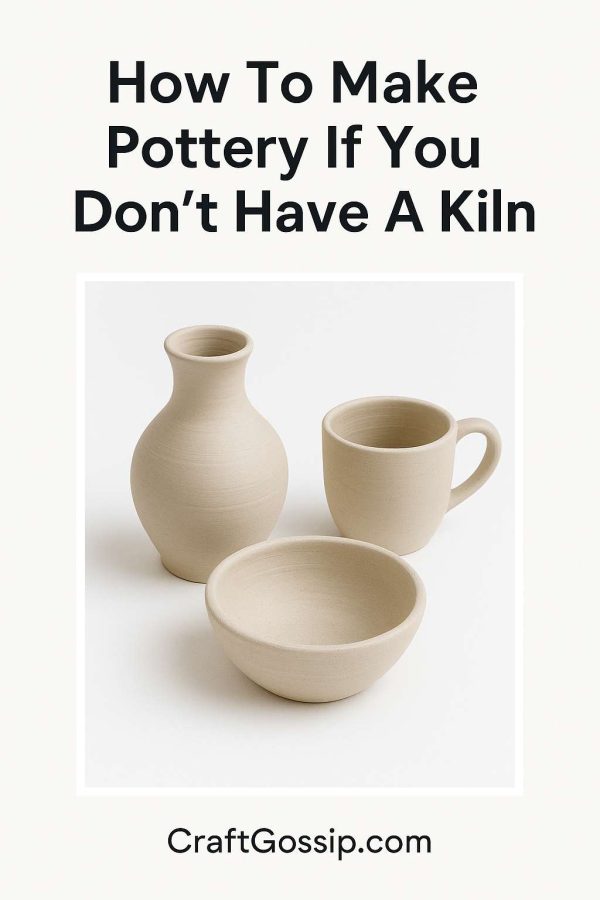
One of the first questions new pottery lovers ask is: “Do I need a kiln to make pottery?” The short answer is no—you can absolutely enjoy shaping, decorating, and finishing clay projects at home without investing in an expensive kiln. Whether you’re just starting out, teaching a class, or don’t have the space for a giant piece of equipment, there are plenty of ways to make pottery-like creations.
And here’s the best part: not only can you experiment with no-kiln options at home, but you can also tap into community kilns and local pottery shops that make the full ceramic experience affordable and accessible. Let’s explore your options.
1. Use Air-Dry Clay for Simple Projects
If you want an easy starting point, air-dry clay is your best friend.
- Shape your project as you would with traditional clay.
- Let it dry naturally at room temperature for a few days.
- Once hard, decorate with paint, sealant, or resin for durability.
Air-dry clay won’t ever be truly waterproof or food-safe, but it’s fantastic for decorative bowls, vases, or jewelry.
2. Try Oven-Bake (Polymer) Clay
Polymer clay brands like Sculpey and Fimo are designed to cure in your home oven.
- Just shape, bake at a low temperature, and you’re done.
- The colors stay bright, and you can sand or varnish after baking.
Great for jewelry, ornaments, and small home decor.
3. Outdoor Pit Firing for a Rustic Look
If you want a taste of “real pottery” but don’t have a kiln, you can experiment with ancient firing methods like pit firing or bonfire firing.
- Dig a pit, place dry clay pieces inside, cover with sawdust, wood, and leaves.
- Build a fire and let it burn down slowly.
This method creates earthy, smoky finishes—perfect for rustic garden pots or sculptures.
4. The Secret Every Potter Should Know: Community Kilns
Here’s where things get exciting. Even if you don’t own a kiln, you can still make true, functional pottery (like mugs, plates, and bowls) thanks to community kilns and pottery shops.
What Are Community Kilns?
Many cities and towns have:
- Pottery studios offering kiln rentals by the piece.
- Community art centers where you can pay a small fee to have your work bisque-fired and glazed.
- Colleges and adult education centers that open their ceramics studios to the public during certain hours.
- Local pottery shops run by makers who are often happy to fire your work for a small charge.
How It Works
- You make your piece at home using real pottery clay (stoneware, earthenware, or porcelain).
- Once it’s bone-dry, you carefully deliver it to the community studio.
- They’ll bisque fire it for you, often alongside other students’ work.
- Many shops also let you return to glaze your piece and have it fired again for a glossy, finished result.
Why It’s Worth It
- Cost-effective: Instead of buying a $1,000+ kiln, you might pay $5–$10 per piece to fire.
- Learning opportunity: Many studio owners are happy to share tips on clay, glazing, and loading kilns.
- Community feel: You’ll meet other makers, swap ideas, and maybe even join a pottery class.
Think of it as “pay-per-firing,” and it’s a brilliant way to dip your toes into pottery without the heavy investment.
5. Cold Finishes at Home
If your local area doesn’t have a community kiln and you want to stick to DIY at home, you can still make pieces look polished without glaze:
- Acrylic paint for color.
- Metallic rubs for a faux-bronze look.
- Resin or epoxy coatings for shine (great on jewelry or decor).
6. Finding a Kiln Near You
Not sure where to look? Start with:
- Google searches like “pottery kiln firing near me” or “ceramics studio [your town].”
- Local Facebook craft groups.
- Libraries or community centers—many list studio workshops.
- Etsy sellers or independent potters who sometimes offer firing services as a side income.
Making pottery without a kiln doesn’t mean you’re left out—it just means you get creative. Air-dry and polymer clays are wonderful for casual crafting, while outdoor firing offers rustic results. But if you’ve always dreamed of creating functional, food-safe, glossy pottery, community kilns and local pottery shops are the golden ticket.
They let you experiment, learn, and connect with other clay lovers—all without the pressure of owning expensive equipment. So gather your clay, shape your ideas, and don’t be shy about dropping by that little pottery shop in your town. Chances are, they’ll be thrilled to help you bring your creations to life.