• Home
  • Suggest A DIY
  • DIY Newsletter

Polymer Clay

Fimo and clay tips and tutorials

  • About CraftGossip
  • Our Network
    • Bath & Body Crafts
    • Candle Making Ideas
    • Crochet Ideas
    • Cross Stitch
    • Edible Crafts
    • Felting Patterns
    • Glass Art
    • Home & Garden Ideas
    • Indie Crafts
    • Jewelry Making
    • Kids Crafts
    • Knitting Patterns
    • Lesson Plans
    • Needlework
    • Party Ideas
    • Polymer Clay
    • Quilting Ideas
    • Recycled Crafts
    • Scrapbooking
    • Sewing Patterns
    • Card Making
    • DIY Weddings
    • Not Craft Ideas
  • Giveaways
  • Roundups
  • Store
  • Search

Stacker bead tutorial

August 6, 2008 by Vikram Goyal

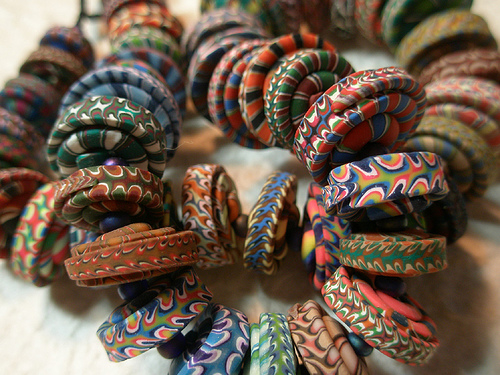
Ovenfried BeadsAmy of Ovenfried Beads has made a tutorial for her famous Stacker Beads. And it’s free! How’s that for generous? Here are her exact words –

” Hey folks…….

Ok I just can’t keep it to myself any longer.  In the event I should croak before I’m an old old lady, I want people to keep making them. All I ask is that credit is given where it’s due.  I could have gone the marketing/selling/making money route, but every time I use a technique I learned from someone who gave it away, I think of the Stacker bead and how many folks can learn it.  I hope that someone can use the technique for other items, and have it evolve into something better.

Enjoy: http://www.ovenfriedbeads.com

Amy – Ovenfried Beads “

Don’t forget to give her credit if you use her tutorial to make and/or sell you own beads from it – it’s the proper thing to do 🙂

Happy Claying !!!

editor: The site and the tutorial are no longer available. Amy has since published a version for sale in her Etsy shop: http://www.etsy.com/shop/ovenfriedbeads


[tags]beads, Ovenfried Beads, polymer clay, Stacker Beads, tutorials[/tags]
«
»

Comments

  1. Cynthia Clayworth says

    August 7, 2010 at 4:12 pm

    Love your stacker beads. I recently bought a ripple blade and have been going crazy with it. I’ve tried to make a cane (after going through what I have left) but I just can’t get it right! Will take a look at your tutorial.

  2. Brenda roberts says

    August 11, 2010 at 9:25 am

    Love, love, your Stacker Beads. Every time I click on the link for the technique I get nothing. Would you send me a good link. Thank you. Brenda

  3. Brenda roberts says

    September 12, 2010 at 1:02 pm

    I’ve contacted Amy concerning her Stacker Beads instructions. She never got back with me at all. I do know that she took her website down. Are my chances of getting the info dead? Please help.
    Brenda

  4. sharon gowryluk says

    March 26, 2011 at 11:09 pm

    yes, please tell us if there is a way to get the pattern. the link you gave no loner works.

    thanks

  5. Elaine says

    March 27, 2011 at 9:17 am

    Hi Sharon! Amy took down the tutorial some time ago. She does sell it now on Etsy – her Etsy shop is: http://www.etsy.com/shop/ovenfriedbeads

Have you read?

How to Add Glow-in-the-Dark Pigment to Polymer Clay (Tips, Tricks and Project Ideas)

If you’ve ever wanted your polymer clay earrings or charms to literally light up the night, glow-in-the-dark pigments are the secret ingredient. Adding them to clay isn’t difficult, but there are some tricks to getting the best glow, the brightest finish, and a professional look that actually lasts.

I’ve worked with glow powders and glow clays on plenty of projects—from kids’ Halloween crafts to statement jewelry pieces—and let me tell you: not all glow pigments are created equal. Some glow for hours, others fade after a minute, and how you mix them into your clay makes a huge difference.

Let’s dive into how to use glow pigment with polymer clay, plus a few creative project ideas you’ll want to try.

Choosing the Right Glow Pigment

Not all glow powders are the same. The brightness, glow time, and even color vary depending on the pigment type.

  • Phosphorescent powders: These are the most common. They absorb UV or natural light and release it slowly, creating that glowing effect. Look for strontium aluminate–based powders (they glow longer and brighter than zinc sulfide powders).

  • Color options: Green and aqua are the brightest and longest-lasting. Pinks, purples, and oranges are fun but fade faster.

  • Particle size: Fine powders blend smoothly into clay, while larger particle pigments give a speckled, starry look.

How to Mix Glow Pigment into Polymer Clay

There are two main methods for adding glow pigment to your clay:

1. Mixing Powder into Clay

  • Condition your polymer clay until it’s soft and pliable.

  • Sprinkle a small amount of glow powder into the clay (start with about 1 part pigment to 4 parts clay).

  • Knead and fold until fully blended.

  • For extra brightness, add more pigment—but too much can make your clay crumbly.

2. Dusting or Painting Pigment on the Surface

  • Roll out your clay sheet or shape your earrings.

  • Brush pigment powder onto the surface using a dry brush.

  • For a stronger effect, mix the powder with a clear liquid clay and paint it on.

  • This creates a glowing finish rather than an all-over glow.

Baking Glow-in-the-Dark Polymer Clay

  • Bake according to your clay brand’s instructions (usually 260°F–275°F / 125°C–135°C).

  • The pigment won’t burn out—it’s heat stable.

  • For surface applications, add a thin layer of liquid clay or a sealer before baking to keep powder from rubbing off.

Sealing and Finishing

Once baked and cooled:

  • Sand and buff as usual if the glow pigment is fully mixed in.

  • If the glow pigment is brushed on the surface, apply a thin coat of clear varnish, resin, or UV resin to lock it in.

  • A glossy finish makes the glow appear brighter, while a matte finish gives a softer effect.

Project Ideas for Glow-in-the-Dark Polymer Clay

  1. Glow-in-the-Dark Earrings – Simple studs or hoop charms that charge under sunlight and glow during evening dinners.

  2. Spooky Halloween Jewelry – Bats, pumpkins, and ghosts that shine when the lights go out.

  3. Kids’ Room Stars – Cut star shapes, bake, and glue onto walls or mobiles.

  4. Garden Markers – Clay tags with glow pigment to find your plants after dark.

  5. Nighttime Keychains – Never lose your keys again with a glowing charm.

Tips for the Best Glow

  • Charge your finished pieces under bright sunlight or a UV lamp for the longest glow.

  • Store pigment powders in airtight containers; moisture can ruin them.

  • If you want a subtle effect, mix pigment with translucent clay. For bold neon-like glow, pack in more pigment.

Adding glow pigment to polymer clay is one of those small tricks that turns ordinary jewelry or crafts into conversation starters. Whether you want a subtle shimmer or a full-on “where’s the flashlight?” glow, it’s all about the right pigment, mixing method, and finish.

So go ahead—make your earrings, pendants, or charms shine, literally!


Categories

air dry clay animals Artist Spotlight Christmas Clay Canes Clay Charms Craft Inspirations DIY Clay Tutorials and Patterns earrings Freebies halloween Inspiration necklace Plates, Bowls & Platters Polymer Clay Polymer Clay - Techniques Polymer Clay - Tutorials Polymer Clay Community Tips/Tools valentine's day

RSS feed: More Articles More Articles

  • Michaela McMillan: Weaving Stories into Sculptural Art
  • How to Add Text to a Cross Stitch Project
  • Beyond Basic Pumpkin Knitting Patterns
  • The Goldfish by Henri Matisse Advanced Cross Stitch Kit Review
  • Make To Donate: Crochet Chemo Cap Patterns
  • 32 Halloween Silhouette Digital Stamps and Die Cuts
  • Freebie Friday – Printable Grungy Roses, Torn Paper and Vintage Rose Stamps
  • Free Felting Tutorial Friday: Needle Felted Pet Portraits
  • 12 Free Baby Booties Sewing Patterns – Easy Fabric Shoes for Newborns & Babies
  • Resources for Learning about Squirrels

Pick Your Blog

  • Sewing
  • Knitting
  • Quilting
  • Crochet
  • Home & Garden
  • Recycled Crafts
  • Scrapbooking
  • Card Making
  • Polymer Clay
  • Cross-Stitch
  • Edible Crafts
  • Felting
  • Glass Art
  • Indie Crafts
  • Kids Crafts
  • Jewelry Making
  • Lesson Plans
  • Needlework
  • Bath & Body
  • Party Ideas
  • Candle Making
  • DIY Weddings
  • Not Craft
  • Free Craft Projects

Copyright © 2026 · CraftGossip | Start Here | Contact Us | Link to Us | Your Editors | Privacy and affiliate policy