One of the cleverest tricks in polymer clay sculpting is learning how to create hollow forms. Whether you’re making statement jewelry, beads, ornaments, or sculptural pieces, hollow forms allow you to build big without the bulk. Instead of heavy pendants that pull at your neck or chunky sculptures that risk cracking during baking, hollow polymer clay forms give you volume and shape with a lightweight, professional finish.
If you’ve ever wondered how artists make those airy, oversized beads or sculptural pendants, the secret is all in the hollow core. And the best part? You don’t need fancy equipment—just some household items, a bit of patience, and your favorite polymer clay.
Why Make Hollow Polymer Clay Forms?
- Lightweight jewelry – Perfect for big earrings, statement necklaces, and chunky bangles without the uncomfortable weight.
- Material saving – Use less clay while still achieving a large, dramatic look.
- Even baking – Thinner walls mean less risk of under-baking or cracking.
- Creative freedom – Experiment with shapes you couldn’t pull off in solid clay.
Tools & Materials You’ll Need
- Polymer clay (your choice of brand – Fimo, Sculpey, Premo, etc.)
- A clean work surface and blade or craft knife
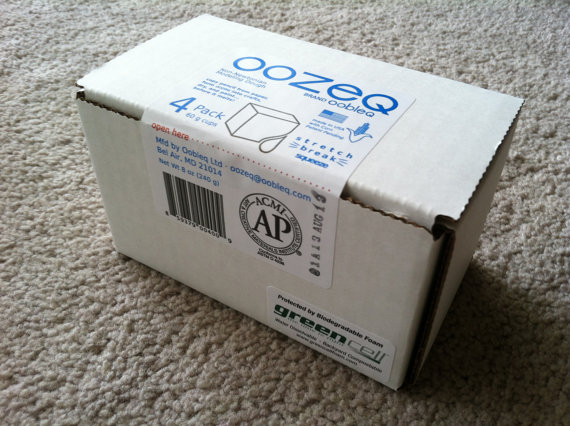
- A form to build around (crumpled aluminum foil, paper cores, starch packing peanuts, or even cornstarch-filled balls)
- Sandpaper, polishing cloth, or micro-mesh pads for finishing
- Optional: liquid polymer clay for joining seams
Step-by-Step: Building Hollow Forms in Polymer Clay
1. Choose Your Core
Start with a temporary form to give your clay shape. Common options include:
- Aluminum foil balls – Great for round beads or pendants.
- Cornstarch or baking soda packing peanuts – They dissolve in water after baking.
- Paper cores – Lightweight and easy to shape.
Tip: Make sure your core is smooth to avoid dents or sharp edges showing through the clay.
2. Cover with a Clay Sheet
Roll out a thin, even sheet of clay using a pasta machine or acrylic roller. Wrap it around your core, trimming excess with a blade. Smooth the seams gently with your fingers or a little liquid polymer clay to create a seamless shell.
3. Shape & Refine
Once wrapped, you can roll the form between your palms to smooth it out and refine the shape. Add texture, surface designs, or layered clay canes if you want a decorative finish.
4. Bake Carefully
Bake your piece according to your clay brand’s instructions. Be sure the form is supported on a bed of cornstarch or tissue paper to prevent flat spots during curing.
5. Remove the Core (if needed)
If you used foil, you can leave it inside for stability. If you used starch peanuts or paper, soak your piece in warm water after baking to dissolve or soften the inner core. This leaves you with a lightweight, completely hollow shell.
6. Sand & Finish
Once hollow, sand and polish as desired. For beads, drill a hole before baking or use a bead piercing pin during shaping.
Creative Ideas for Hollow Polymer Clay Projects
- Oversized beads for chunky necklaces.
- Dome-shaped pendants with mica powder shimmer.
- Earrings that look bold but weigh next to nothing.
- Miniature ornaments or baubles for seasonal crafts.
- Sculptural figures that need bulk without heaviness.
Troubleshooting Hollow Forms
- Cracking after baking? Your clay walls may be too thick or baked unevenly. Keep walls around 2–3mm thick.
- Flat spots? Support your piece with cornstarch during baking.
- Visible seams? Use liquid polymer clay to bond edges before smoothing.
Hollow forms open up a whole new world in polymer clay jewelry making and sculpting. They’re practical, lightweight, and allow you to explore bold, creative designs without wasting clay. Once you get the hang of it, you’ll wonder why you didn’t try it sooner!
So grab some foil, roll out that clay, and start experimenting. Your jewelry box (and your neck muscles) will thank you.


This is so cute, and very imaginative.