Winter holidays all full of snowmen and ornaments .
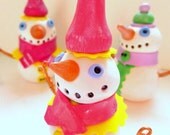 |  |
| Snowman Miniature by ArteTeer | Ornaments by alongcameaspider1 |
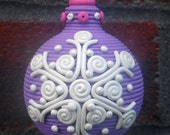 |  |
| Christmas Ornament by ClayArtbyDaresa | Winter Necklace by DZHandmadeProducts |
Fimo and clay tips and tutorials
Winter holidays all full of snowmen and ornaments .
| |
| Snowman Miniature by ArteTeer | Ornaments by alongcameaspider1 |
| |
| Christmas Ornament by ClayArtbyDaresa | Winter Necklace by DZHandmadeProducts |
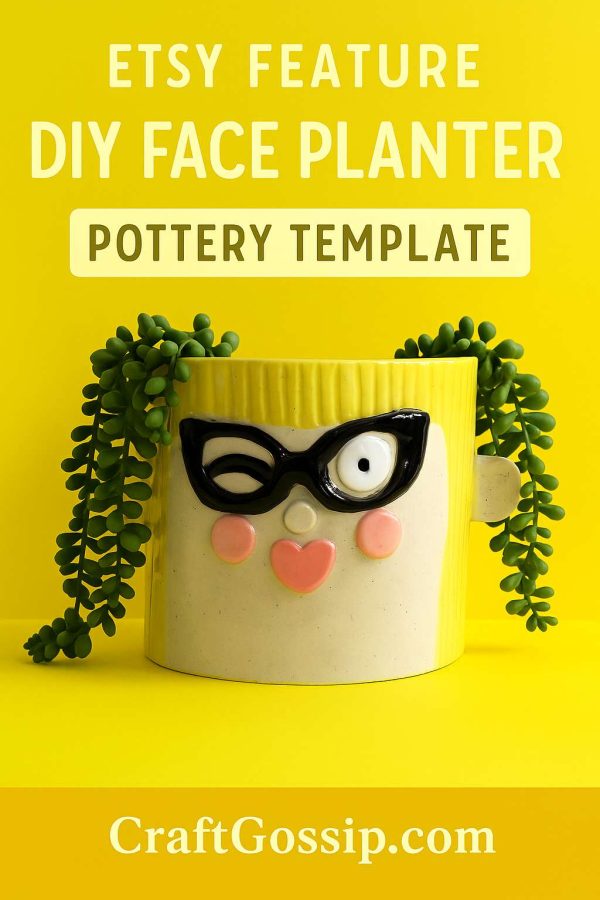
Quirky, fun, and full of personality—this DIY Face Planter Pottery Template is the kind of project that makes everyone smile. Planters are already a favorite for potters because they’re so versatile, but when you add a playful face into the mix? You’ve got a conversation starter, a gift idea, and a cheerful addition to your home all in one.
This template guides you step-by-step in slab-building a face-shaped planter. You’ll get the form sorted out easily, leaving all the creativity in the decorating stage—think glasses, freckles, funny noses, bright lips, or even exaggerated cartoon features. It’s essentially a blank canvas with character built right in.
This planter template is more than just pottery—it’s playful art. The finished piece brings life and laughter into any space, and because you can customize it endlessly, it’s the kind of project you’ll want to make again and again.
You can find it here: DIY Face Planter Pottery Template on Etsy.
This post is part of my Etsy Feature series, where I highlight clay templates, tools, and creative projects that make pottery fun, approachable, and full of charm. This one is especially delightful because it gives you permission to play and be silly with your clay.
13 DIY Hanging Planters You Can Make At Home [Home and Garden]
12 Plants To Put In Your Bedroom To Help You Sleep [Bath and Body]