
Creepy and Crawly, and cute as can be! I love these pretty and colorful beetle brooches by Jana Lehman. Click on the picture to head over to the artist’s photostream.
Have you read?
Clay Studio Series – YouTube Video Review Handmade Ceramic Pour Over – Coffee Meets Clay
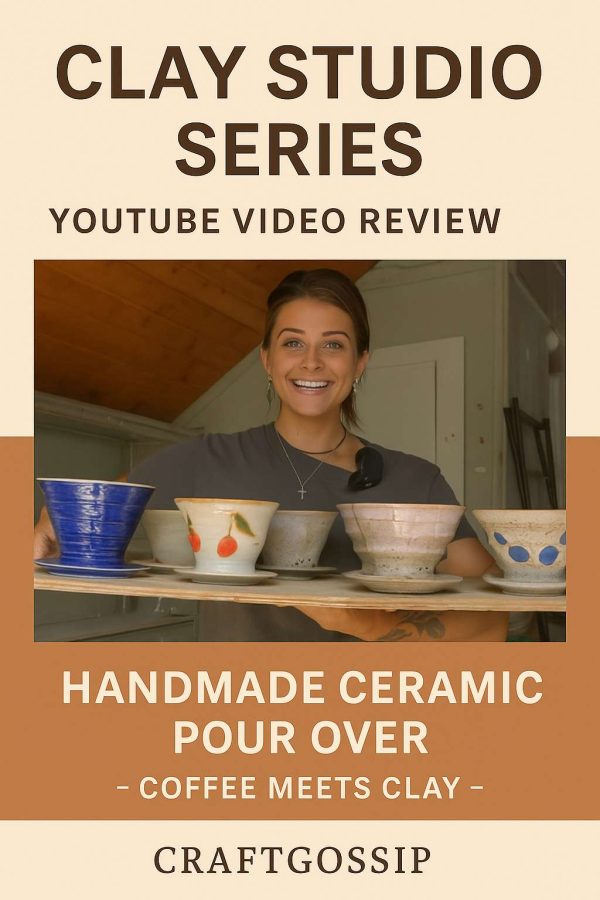
For potters who also happen to be coffee lovers, this video is pure joy. The artist takes us through the full process of making a hand-thrown ceramic pour over on the wheel, showing just how beautiful and functional pottery can be. It’s more than a demo — it’s an invitation to combine two rituals: making with clay and brewing the perfect cup of coffee.
The Video
The tutorial begins at the wheel, where the pour over is shaped with careful attention to wall thickness and form. Each stage of the process is filmed in detail — from throwing to trimming, glazing, and finally, showcasing the finished pieces. The maker emphasizes that this project isn’t just about looks: the function of a pour over requires precision so that coffee flows smoothly without clogging or cooling too quickly.
The video closes with the most satisfying part: using the handmade pour overs to brew coffee. It’s a wonderful reminder of why functional pottery holds a special place in our lives — it connects creativity with daily ritual.
What We Loved
- Functional Craft: The project beautifully demonstrates how pottery can enhance everyday life, turning a cup of coffee into a handcrafted experience.
- Clarity & Flow: Each step of the process is easy to follow, with just the right amount of explanation to inspire confidence.
- Finished Showcase: The tray of finished pour overs, each glazed differently, highlights how much personality a simple form can have.
- Calming Aesthetic: The tone of the video is peaceful and meditative — perfect for potters and coffee fans alike.
Key Takeaways
- Pour overs require precision: even walls and thoughtful proportions matter for proper function.
- Glaze choices can dramatically change the personality of a single form, making each piece unique.
- Combining pottery with daily rituals (like brewing coffee) makes the craft even more rewarding.
Why You Should Watch
This video is ideal if you’re looking for a pottery project that blends form, function, and ritual. Whether you’re a seasoned potter or just starting out, the idea of making something you can use every morning is inspiring. It’s a reminder that handmade items carry more meaning than store-bought ones — especially when they become part of your daily rhythm.
Watch the full video here: Handmade Ceramic Pour Over